
Navigating Link Onion Tor: A Guide
This guide is for small business owners seeking effective strategies to use Link Onion Tor safely.
$ dark web- Tor Link Verification Checklist for Small Businesses
- Understanding Tor and .onion Links for Business Use
- Setting Up Your Environment for Safe Tor Browsing
- Navigating .onion Sites: Best Practices and Tools
- Verifying the Authenticity and Trustworthiness of Onion Links
- Common Challenges and Troubleshooting When Accessing Tor Links
- Security Measures Beyond Tor Browser for Business Operations
- Leveraging Tor for Secure Communication and Data Exchange
- Common Mistakes and Misconceptions
- Key Takeaways
- FAQ
- Where this comes from
An 'onion link' refers to the address of an onion service, a type of service accessible exclusively through the Tor network[1]. These addresses are 56 letters and numbers followed by ".onion"[1]. Onion links offer enhanced privacy and security features:
Tor Link Verification Checklist for Small Businesses
| Step | Action | Details | Notes |
|---|---|---|---|
| 1 | Check URL Format | .onion address must have 56 characters. | Example: abcdefghijklmnopqrstuvwxyz123456.onion |
| 2 | Look for Security Indicators | Ensure padlock or onion icon is visible in URL bar. | Indicates secure connection. |
| 3 | Verify Service Authentication | Check for authentication token requirement. | Important for accessing secure services. |
| 4 | Assess Anonymity Risks | Consider potential traffic analysis attacks. | Risk varies based on usage patterns. |
| 5 | Confirm End-to-End Encryption | All traffic should be encrypted. | No need for HTTPS in .onion services. |
| 6 | Avoid V2 Addresses | Do not use addresses not reachable since September 2021. | V2 addresses are insecure. |
Understanding Tor and .onion Links for Business Use
Tor is a network designed to enhance user anonymity online. It achieves this by routing internet traffic through a series of volunteer-operated servers, or nodes. Each node only knows the node before and after it, making it difficult to track the original source of the data. This anonymity is particularly relevant for businesses seeking secure communication and protection against surveillance.
.onion links are unique addresses associated with onion services, which can only be accessed through the Tor network[1]. These addresses consist of 56 characters followed by “.onion”[1]. One key feature of onion services is that their location and IP address remain hidden[1]. This makes it challenging for adversaries to censor them or identify their operators. All traffic between users and onion services is end-to-end encrypted, eliminating the need for HTTPS[1].
Legitimate business applications for Tor and .onion links include:
Secure Communication: Businesses can use Tor for confidential discussions, reducing the risk of interception.
Accessing Geo-Restricted Content: Tor allows users to bypass geographical restrictions on information and services.
Competitive Intelligence: Companies can gather insights on competitors while maintaining anonymity.
When using Tor for business purposes, it is crucial to follow best practices. Users should ensure that websites display a padlock or onion icon in the URL bar and check for the proper expected name for the website[2]. Additionally, understanding the risks of traffic analysis attacks is essential, as this can potentially reduce the anonymity provided by Tor[3].
This information is useful for businesses looking to navigate the complexities of Tor while maintaining security and privacy.
Setting Up Your Environment for Safe Tor Browsing
To safely navigate the Tor network, follow these steps to set up your environment effectively.
Step 1: Downloading the Tor Browser
Visit the official Tor Project website.
Select the appropriate version for your operating system (Windows, macOS, Linux).
Download the installation file.
Step 2: Installing the Tor Browser
Open the downloaded file.
Follow the installation prompts.
Launch the Tor Browser after installation.
Step 3: Using a VPN
Before opening the Tor Browser, connect to a reputable VPN. This adds an additional layer of privacy. The VPN hides your initial IP address from your Internet Service Provider (ISP) and helps prevent traffic analysis attacks[3]. Ensure the VPN does not keep logs of user activity.
Step 4: Configuring Security Settings
Open the Tor Browser.
Go to the security settings (click on the shield icon).
Set the security level to ‘Safest’ to disable scripts and other potentially risky features. Disabling scripts can prevent attacks that exploit browser vulnerabilities.
Step 5: Maintaining Anonymity
Avoid using personal information while browsing. This includes refraining from logging into personal accounts or providing identifiable details. Remember, even with Tor, anonymity is not guaranteed if personal data is shared.
Step 6: Using a Clean System
For sensitive tasks, consider using a clean operating system or a virtual machine. This minimizes the risk of malware or tracking software interfering with your browsing. A dedicated environment ensures that no identifiable information is stored that could compromise your anonymity.
Summary of Best Practices
Use a VPN: Essential for additional privacy.
Disable Scripts: Prevents potential exploits.
Avoid Personal Information: Essential for maintaining anonymity.
Use a Clean OS/VM: Protects against malware and tracking.
Following these steps will help create a secure environment for safe Tor browsing, allowing you to access .onion links and other resources with reduced risk.
Accessing .onion links requires the Tor Browser, specifically designed for this purpose. To navigate these sites, follow these steps:
Download and Install Tor Browser: Obtain the Tor Browser from the official Tor Project website. Ensure you are using the latest version for security and functionality.
Open Tor Browser: Once installed, launch the browser. It automatically connects to the Tor network, allowing access to .onion sites.
Using Tor Search Engines
To discover .onion links, utilize Tor-specific search engines. Ahmia and DuckDuckGo offer dedicated search functionalities for .onion content. These platforms can help identify legitimate sites, but they have limitations:
Limited Indexing: Not all .onion sites are indexed, meaning some may remain undiscoverable through these search engines.
Outdated Links: The dynamic nature of the dark web can lead to outdated or non-functional links appearing in search results.
Identifying Legitimate vs. Malicious .onion Sites
When evaluating .onion sites, consider the following tips to distinguish between legitimate and potentially harmful sites:
URL Structure: A valid .onion address consists of 56 characters followed by ".onion"[1]. Be cautious of URLs that deviate from this format.
Security Indicators: Check for a padlock or onion icon in the URL bar, indicating a secure connection[2]. This visual cue is crucial for confirming that you are on a legitimate site.
Content Quality: Assess the content presented on the site. Legitimate services typically have well-organized, professional-looking pages. Poorly designed sites with numerous typos may indicate malicious intent.
Authentication Requirements: Some onion services require an authentication token before access[1]. This feature can indicate a higher level of security and legitimacy.
Risks to Consider
While navigating .onion sites, be aware of traffic analysis risks. Even when using Tor, certain attacks can potentially link user activity to their real identity[3]. Always prioritize anonymity and avoid sharing personal information.
By following these best practices, users can enhance their experience on the dark web while mitigating risks associated with accessing .onion sites.
Verifying the Authenticity and Trustworthiness of Onion Links
Verifying the authenticity of .onion links is crucial for safe navigation. This process involves more than just checking the URL. Businesses must conduct thorough due diligence for business-critical interactions.
Use Multiple Sources for Verification
When encountering a new .onion link, cross-reference it with multiple sources. Utilize well-known directories and search engines specifically designed for the Tor network, such as Ahmia or DuckDuckGo. These platforms aggregate .onion sites and can help identify legitimate services. However, be aware that not all sites are indexed, and some links may be outdated.
Check for PGP Keys and Cryptographic Signatures
Legitimate onion services often provide PGP keys or other cryptographic signatures. These allow users to verify the authenticity of the service. Look for a dedicated section on the website that lists its PGP key. You can use this key to validate communications or downloads. This step is particularly important when interacting with services that handle sensitive information.
Understand 'Trust on First Use'
The concept of 'trust on first use' applies to new onion services. This means that the first time you connect to a new service, you must assume it is trustworthy until proven otherwise. This is valid if you have no prior information about the service or its operators. However, it is essential to remain cautious. Monitor the service for any unusual behavior, and be prepared to sever connections if red flags arise.
Security Indicators to Watch For
While using the Tor Browser, users should check for specific security indicators:
Padlock or Onion Icon: Ensure the URL bar displays a padlock or onion icon. This indicates a secure connection[2].
Correct URL Format: A valid .onion address consists of 56 characters followed by ".onion"[1]. Verify that the URL adheres to this format.
Authentication Requirements: Some onion services require an authentication token before access. This feature can indicate a higher level of security[1].
Conclusion
Verifying the authenticity and trustworthiness of onion links is essential for secure business interactions. By utilizing multiple verification sources, checking for cryptographic signatures, and understanding the 'trust on first use' principle, businesses can navigate the Tor network more effectively. Always remain vigilant and prioritize security in every interaction.
Common Challenges and Troubleshooting When Accessing Tor Links
Accessing Tor links can present several challenges. Common issues include slow loading times, connection errors, and 'site not found' messages. Understanding these challenges and knowing how to troubleshoot them can enhance your experience on the Tor network.
Slow Loading Times
Onion services can often load slowly due to the way Tor routes traffic. The network relies on volunteer-operated servers, which may lead to congestion. If a site takes too long to load, consider these steps:
Try Again Later: The service might be experiencing high traffic.
Check Your Connection: Ensure you have a stable internet connection.
Switch Circuits: In the Tor Browser, click on the onion icon and select 'New Tor Circuit for this Site' to attempt a different route.
Connection Errors
Connection errors can occur for various reasons, including network issues or server downtime. To troubleshoot:
Verify the .onion Address: Ensure the address is correctly entered. A valid .onion address consists of 56 characters followed by ".onion"[1].
Refresh the Page: Sometimes, simply refreshing the page can resolve temporary issues.
Check for Service Availability: Some onion services may be offline or have limited uptime. This is common with ephemeral services that may not always be reachable.
'Site Not Found' Messages
Receiving a 'site not found' message often indicates that the onion service is no longer active. This is common due to the transient nature of many .onion services. To manage expectations:
Understand Ephemeral Nature: Many onion services are temporary and may not be available consistently. This is true if the service operator has chosen to shut it down or if it has been taken offline for security reasons.
Use Search Engines: Utilize Tor-specific search engines like Ahmia or DuckDuckGo to find alternative services or updated links. However, be aware that not all services are indexed, and some links may be outdated.
Debugging Tips
If you encounter persistent issues, consider these debugging tips:
Check Tor Browser Settings: Ensure your security settings are appropriately configured. Adjusting to a lower security level may improve access but at the cost of some privacy.
Reinstall Tor Browser: If problems persist, reinstalling the Tor Browser can resolve underlying issues related to software corruption.
Use a VPN: Connecting to a reputable VPN can enhance your privacy and may improve connection speeds.
By anticipating these challenges and applying troubleshooting techniques, users can navigate the Tor network more effectively. For more insights into navigating the dark web, consider exploring our guide on How to Search on Tor: Tips and Tricks.
Security Measures Beyond Tor Browser for Business Operations
Navigating the Tor network for business requires additional security measures beyond using the Tor Browser. These measures enhance protection and mitigate risks associated with online activities.
Strong, Unique Passwords
Using strong and unique passwords is critical. Passwords should be at least 12 characters long, combining uppercase letters, lowercase letters, numbers, and symbols. Avoid using the same password across different accounts. A password manager can help generate and store complex passwords securely.
Two-Factor Authentication (2FA)
Implement two-factor authentication wherever available. This adds an extra layer of security by requiring a second form of verification, such as a code sent to your mobile device. Even if a password is compromised, 2FA can prevent unauthorized access to accounts.
Understanding Exit Node Risks
When using Tor, traffic exits through an exit node. This node can potentially intercept unencrypted traffic. Always ensure that sensitive data is transmitted over secure connections (HTTPS). Be cautious with any information shared, as exit nodes may not guarantee anonymity[1].
Legal Considerations
Operating within the Tor network carries legal implications. While using Tor is not inherently illegal, the nature of activities conducted can draw scrutiny. Businesses must comply with local laws and regulations, ensuring ethical use of the network. This includes avoiding engagement in illegal activities, as the absence of a specific ban does not permit unlawful actions[4].
Compliance and Ethical Use
Businesses must establish clear policies regarding the use of the Tor network. This includes guidelines for employee conduct, data handling, and ensuring that all actions align with organizational values. Regular training sessions can help employees understand the risks and responsibilities associated with using Tor.
By implementing these security measures, businesses can navigate the Tor network with greater confidence, ensuring both operational security and compliance with legal standards.
Leveraging Tor for Secure Communication and Data Exchange
Small businesses can utilize Tor for secure communication and data exchange in various ways. Key applications include secure file sharing, anonymous communication channels, and protection of sensitive business intelligence.
Secure File Sharing with OnionShare
OnionShare is a tool that allows users to share files securely and anonymously over the Tor network. Users can upload files, which are then given a unique .onion link. Only those with the link can access the files, ensuring privacy during the transfer. For example, a small business can share sensitive documents with clients or partners without exposing them to potential interception. Since all traffic between users and OnionShare is end-to-end encrypted, the risk of data breaches is significantly reduced[1].
Anonymous Communication Channels
For whistleblowers, journalists, or businesses needing to communicate sensitive information, Tor offers anonymous communication channels. Using encrypted messaging platforms over the Tor network ensures that identities remain hidden. This is particularly useful for businesses involved in sectors where confidentiality is critical, such as finance or healthcare. For instance, a journalist can safely communicate with sources without revealing their identity or location.
Protecting Sensitive Business Intelligence
Businesses can also use Tor to protect sensitive business intelligence. With onion services, the location and IP address of the data are hidden, making it difficult for adversaries to censor or identify operators[1]. For example, a company conducting market research can gather information without exposing its identity. This is especially beneficial in competitive industries where data leaks can lead to significant disadvantages.
Best Practices for Secure Use
To maximize the benefits of using Tor for secure communication, businesses should follow these best practices:
Use Strong Authentication: Implement authenticated onion services that require a token for access[1].
Regularly Update Tools: Ensure that all software, including the Tor Browser and OnionShare, is updated to the latest versions to protect against vulnerabilities.
Educate Employees: Train staff on the importance of using secure methods for communication and data exchange, emphasizing the risks associated with the dark web.
By leveraging these features, small businesses can enhance their cybersecurity posture while effectively communicating and exchanging data in a secure environment.
Common Mistakes and Misconceptions
Relying Solely on Tor for Anonymity
Many users believe that simply using Tor guarantees complete anonymity. While Tor enhances privacy by obscuring your IP address and location, it does not make you immune to all forms of identification[1]. Traffic analysis attacks can reduce anonymity by inferring which nodes relay anonymous streams[3]. Throughput fingerprinting can even identify guard relays and link concurrent connections with a low error rate[5].
Assuming All .onion Links are Trustworthy
The presence of a .onion address does not inherently vouch for the trustworthiness or legality of a service. Onion services hide the location and IP address of their operators, which can be used for both legitimate and illicit purposes[1]. Always verify the legitimacy of a service through multiple independent sources before engaging, especially when conducting business.
Ignoring .onion Address Format and Version
Some users might not pay attention to the specific format or version of a .onion address. A valid onion address consists of 56 letters and numbers, followed by ".onion"[1]. V2 onion addresses, which were shorter, are fundamentally insecure and have not been reachable since September 2021[6]. Using outdated or incorrectly formatted addresses can lead to connection failures or expose you to security risks.
Neglecting Browser Security Indicators
Users sometimes overlook the security indicators provided by Tor Browser. When accessing an onion service, always check the browser's URL bar for a padlock or onion icon[2]. The URL should also include https://[2]. These indicators confirm that the connection is encrypted and that you are indeed connected to the expected service.
Believing Tor Use is Inherently Illegal
A common misconception is that using Tor is illegal. Merely using a privacy network like Tor is separate from committing an offense through that network[4]. The absence of a Tor-specific ban does not permit illegal activities[4]. Businesses must ensure all activities conducted via Tor comply with local laws and regulations.
Overlooking End-to-End Encryption for Onion Services
Some users might still worry about encrypting traffic when connecting to onion services, even when using HTTPS. All traffic between Tor users and onion services is end-to-end encrypted, so there is no need to additionally worry about connecting over HTTPS for the transport layer[1]. This built-in encryption simplifies secure communication.
Key Takeaways
We have explored how to navigate the Tor network effectively and securely for business purposes.
Always verify the legitimacy of an onion service through multiple independent sources.
Implement strong, unique passwords and two-factor authentication for all accounts.
Understand that Tor enhances privacy but does not guarantee complete anonymity[1].
Ensure all business activities on Tor comply with local laws and regulations[4].
Regularly update Tor Browser and related tools to protect against vulnerabilities.
To further enhance your understanding, we recommend exploring our guide on How to Search on Tor: Tips and Tricks.
FAQ
- How to use onion links on Tor?
To use onion links, you must open them with the Tor Browser. These links, ending in '.onion', lead to services accessible only through the Tor network[1]. Always check the URL bar for a padlock or onion icon and ensure the URL includes 'https://' to confirm a secure connection[2].
- Is Tor dark web illegal?
No, merely using a privacy network like Tor is not illegal[4]. However, engaging in illegal activities through Tor is prohibited, as the absence of a specific ban does not permit unlawful actions[4]. Businesses must ensure all activities comply with local laws and regulations.
- Is .onion a dark web site?
A '.onion' address indicates an onion service, which is a service accessible only through the Tor network[1]. These services are often associated with the 'dark web' because their location and IP address are hidden, making them difficult to censor or identify operators[1].
Where this comes from
- 1. Onion services - Features - Tor Browser — Tor
- 2. Tor Browser best practices - Security - Tor Browser — Tor
- 3. { Steven.Murdoch,George.Danezis}
- 4. What is the dark web? How Tor works, what is actually there and whether it is illegal in India
- 5. Stealthy traffic analysis of low-latency anonymous communication using throughput fingerprinting | Proceedings of the 18th ACM conference on Computer and communications security
- 6. Onion Services | Tor Project | Support
Explore More Resources on Tor Navigation
Discover additional guides and insights to enhance your journey.
View More ArticlesExplore more
Exploring Tor Onion Sites: A Guide
Discover what Tor onion sites are and how to navigate them securely for legitimate purposes, ensuring your privacy and safety online.
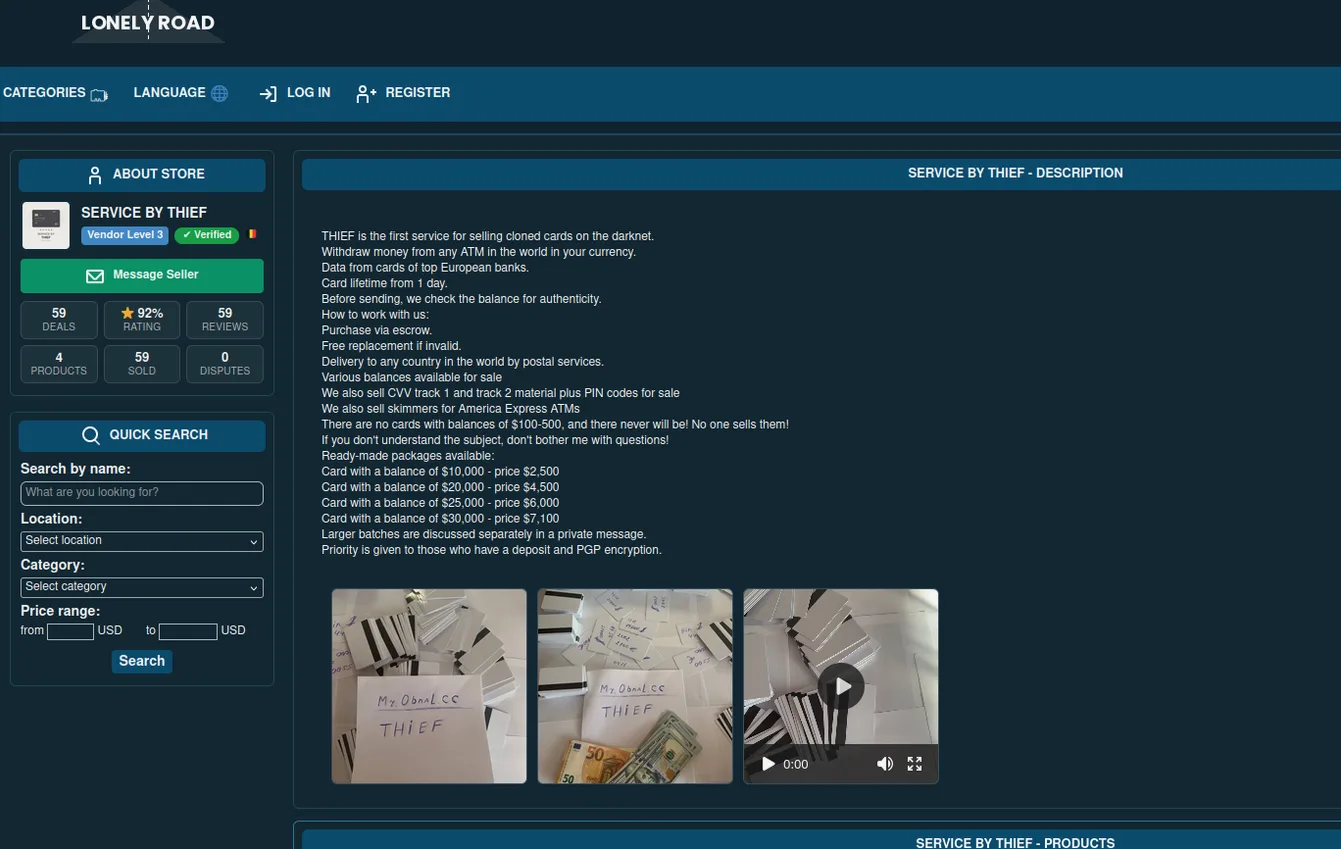
How a Quick ATM Scheme Exposed the Flaws in Criminal Planning
Learn how a dark web carding scheme was busted, tracing digital footprints to physical evidence. Understand ATM surveillance and why crypto…
The Best Dark Web Pages to Explore
Discover the best dark web pages for business insights, security tools, and intelligence resources to enhance your organization's safety.
List of Onion Websites: What You Need to Know
Explore a comprehensive list of onion websites to enhance your privacy and secure communication in the dark web.