
Exploring Dark Web Online: What to Expect
This guide is for small business owners and individuals seeking to understand the dark web and navigate it safely.
$ dark web- Dark Web Exploration Overview and Readiness
- Understanding the Dark Web: What It Is and Isn't
- Why People Explore the Dark Web
- Potential Risks and Dangers of the Dark Web
- Essential Tools and Steps for Safe Exploration
- What to Expect: Common Dark Web Content and Services
- Protecting Your Small Business from Dark Web Threats
- Legal Considerations and Ethical Boundaries
- Common Mistakes and Misconceptions
- Key Takeaways
- FAQ
- Where this comes from
The dark web is a segment of the deep web intentionally hidden, requiring special software like the Tor Browser for access[1]. It comprises overlay networks using the internet, with all Tor URLs ending in '.onion'[2]. While known for illegal activities, it also hosts whistleblowing platforms and forums [9, 10].
Dark Web Exploration Overview and Readiness
| Aspect | Details | Small Business Checklist | Safe Exploration Protocol |
|---|---|---|---|
| Access Requirements | Tor Browser needed for .onion sites [2] | Install Tor Browser | Use VPN for anonymity |
| Content Type | Includes illegal goods and whistleblower platforms [9, 10] | Identify potential threats | Research dark web content |
| Market Revenue | $1.7 billion in 2023 [3] | Monitor dark web activity | Limit personal data exposure |
| Malware Increase | 30% rise in malware logs [4] | Implement cybersecurity measures | Avoid downloading files |
| Legal Considerations | Accessing is legal; actions may not be [5] | Understand legal risks | Stay informed on laws |
| Common Activities | Forums, discussions, and tutorials [6] | Engage with caution | Verify sources before interacting |
Understanding the Dark Web: What It Is and Isn't
The dark web is often confused with the deep web and surface web. Understanding these distinctions is crucial for safe navigation.
The dark web consists of overlay networks that require specific software, like the Tor Browser, to access. All URLs on the dark web end in '.onion'[2]. In contrast, the deep web includes all online content not indexed by traditional search engines. This includes private databases and intranets, often requiring authentication for access[1]. The surface web is what users typically access daily, comprising indexed content available through standard search engines.
The origin of the dark web dates back to the late 1990s, initially created for anonymous communication. It has since evolved into a space known for both illegal activities and privacy-focused services, such as whistleblowing platforms[7]. In 2023, darknet markets generated $1.7 billion in revenue, highlighting their significant presence online[3].
Accessing the dark web is legal in the United States, as simply opening the Tor browser and visiting a .onion site does not constitute a crime. However, engaging in illegal activities on the dark web can lead to criminal charges[5]. Passively gathering information, such as reading forums, is typically legal unless done with malicious intent[8].
Common content found on the dark web includes illegal goods, services, discussion boards, and tutorials, as well as platforms for whistleblowers[6].
To explore the dark web safely, consider using a VPN alongside the Tor Browser. This combination helps maintain anonymity and protect personal data. Knowing what to expect and the legal landscape can enhance your exploration experience without unnecessary risks.
Why People Explore the Dark Web
Many individuals explore the dark web for legitimate reasons. Privacy is a primary concern. In regions with strict internet censorship, the dark web provides a platform for free speech. For example, users in countries with oppressive regimes can access information and share their views without fear of retaliation.
Whistleblowing is another significant use of the dark web. Platforms like SecureDrop allow whistleblowers to report misconduct anonymously. This is crucial for exposing corruption and protecting those who may face severe consequences for their actions. The ability to communicate safely can encourage more people to come forward with important information.
The dark web also hosts various non-malicious content. Examples include:
Discussion forums: Where users exchange ideas on various topics, including technology and privacy.
Blogs: Covering a wide range of subjects from politics to art.
Educational resources: Tutorials and guides on cybersecurity and privacy tools.
This content often contrasts sharply with the illegal activities for which the dark web is more commonly known. While illicit transactions are prevalent, they do not define the entire landscape.
Access to the dark web is not inherently illegal. Simply using the Tor browser to visit .onion sites is permissible under U.S. law. However, engaging in illegal activities is where the legal risks arise[5]. Passively gathering information from forums, even those discussing criminal conduct, is typically legal, provided there is no malicious intent[8].
In summary, the dark web serves as a vital resource for those seeking anonymity, free expression, and safe reporting channels. Understanding its diverse uses can help individuals navigate this complex online environment responsibly.
Potential Risks and Dangers of the Dark Web
Exploring the dark web carries significant risks. Understanding these dangers is crucial for small business owners and individuals.
Common Threats
Malware: The dark web is a hotspot for malware distribution. In 2023, malware logs containing compromised user data increased by nearly 30% compared to the previous year[4]. This malware can lead to data breaches and financial losses.
Scams: Numerous scams proliferate on the dark web. Fraudulent websites often mimic legitimate services. Small businesses risk losing sensitive information or funds when engaging with these sites.
Illegal Content Exposure: Accessing illegal content can lead to unintentional legal consequences. The dark web hosts various illegal transactions, including drug trafficking and identity fraud[7]. Exposure to such content can complicate legal standings.
Phishing: Phishing attacks are prevalent. Cybercriminals may use tactics to steal credentials or sensitive information. These attacks can compromise business accounts and lead to unauthorized access.
Lack of Regulation
The dark web operates in a largely unregulated environment. This absence of oversight allows illicit activities to thrive. Small businesses may find their data for sale on dark web marketplaces, leading to severe consequences like identity theft or fraud. For instance, stolen credentials from data breaches can be found on these platforms, exposing businesses to financial and reputational harm.
Relevant Risks for Small Businesses
Data Breaches: Cybercriminals often target small businesses for data breaches. In 2023, darknet markets received $1.7 billion in revenue, indicating a robust ecosystem for illegal activities[3]. If business data is compromised, it can be sold or used for malicious purposes.
Stolen Credentials: Credentials can be bought and sold on the dark web. If a business's login details are leaked, unauthorized access can lead to data manipulation or theft.
Safety Measures
To navigate the dark web safely, consider the following measures:
Use a VPN: This adds a layer of anonymity while browsing.
Implement Cybersecurity Protocols: Regularly update software and educate employees about phishing scams.
Monitor Dark Web Activity: Use dark web monitoring services to track if your business data appears in illicit marketplaces.
These precautions can help mitigate the risks associated with exploring the dark web. Awareness and proactive measures are essential to protect personal and business information.
Essential Tools and Steps for Safe Exploration
Accessing the dark web requires specific tools and practices. The primary tool is the Tor browser. It allows users to access .onion sites, which are distinct to the dark web[2]. Simply installing and opening the Tor browser is not illegal in the United States; legality issues arise from actions taken while on the dark web[5].
Using a Virtual Private Network (VPN) is strongly recommended. A VPN enhances anonymity by masking your IP address, adding a layer of security while browsing. This is crucial, given the dark web's reputation for illegal activities and data breaches.
Burner devices or virtual machines (VMs) are also advisable for dark web exploration. A burner device is a temporary device used solely for accessing the dark web, minimizing risks to your primary device. Alternatively, using a VM allows you to create a separate environment on your existing device. If malware infects the VM, your main system remains unaffected.
Basic security practices are essential for safe navigation. Consider the following recommendations:
Security Practices
Disable Scripts: Many .onion sites may run scripts that can compromise your security. Disabling them reduces the risk of malware infections.
Avoid Downloads: Downloading files from the dark web can lead to malware infections or data breaches. Always refrain from downloading unless absolutely necessary.
Use Secure Search Engines: Utilize search engines designed for the dark web, such as Ahmia or DuckDuckGo, to find .onion sites safely.
Be Cautious with Personal Information: Never share personal data, including real names or addresses, while browsing dark websites.
These steps are vital for reducing risks associated with dark web exploration. While the dark web can offer valuable information, it is crucial to maintain security and anonymity at all times.
What to Expect: Common Dark Web Content and Services
The dark web hosts a diverse range of content and services. Understanding these categories can help users navigate safely. Here are the most common types of content found:
Forums
Dark web forums are spaces where users share information and discuss various topics, including technology, privacy, and cybersecurity. These forums often have a more amateurish design compared to mainstream platforms. Users can exchange ideas freely, but caution is advised, as some discussions may involve illegal activities[6].
Marketplaces
Darknet marketplaces are notorious for selling illegal goods and services. In 2023, these markets collectively generated approximately $1.7 billion in revenue[3]. While many listings are for illicit items, some marketplaces offer legitimate services, such as secure communication tools. Users should remain vigilant, as engaging in transactions can lead to legal repercussions[5].
News Sites
Some dark web sites provide news and information not covered by mainstream media. These platforms often focus on sensitive topics, including whistleblowing and government accountability. They serve as alternative sources of information, particularly in regions where free speech is suppressed.
Hidden Wikis
Hidden wikis are directories of .onion sites, categorizing various dark web content. They can include links to forums, marketplaces, and news sites. However, these wikis may also list illegal sites, so users should exercise caution when browsing these directories.
Amateurish Nature and Lack of Indexing
The dark web is characterized by its amateurish appearance and lack of indexing. Unlike the surface web, where search engines provide easy access to content, the dark web relies on specific search engines like Ahmia or DuckDuckGo for .onion sites. This can make finding reliable information challenging.
Legitimate Services
Despite its reputation, the dark web offers legitimate services that prioritize anonymity and security. Examples include:
Secure communication tools: These services allow users to communicate without revealing their identities.
Privacy-focused forums: Spaces for discussing privacy issues and sharing cybersecurity tips.
Exploring the dark web can be valuable for gathering information, but users must remain aware of the risks involved. Always prioritize safety and anonymity when navigating these spaces.
Protecting Your Small Business from Dark Web Threats
Small businesses face significant threats from dark web activities. These threats can directly impact customer trust and financial stability. Understanding these risks is essential for safeguarding your business.
Impact of Dark Web Activities
Stolen Customer Data: Cybercriminals often target small businesses for data breaches. Stolen customer information can be sold on dark web marketplaces, jeopardizing customer relationships and exposing businesses to legal actions.
Compromised Accounts: Credentials leaked from data breaches can lead to unauthorized access. If attackers gain access to business accounts, they may manipulate data or steal funds.
Reputational Damage: A data breach can harm a business's reputation. Customers may lose trust in a company that fails to protect their personal information.
Proactive Measures
To mitigate these risks, consider implementing the following proactive measures:
Dark Web Monitoring: Utilize dark web monitoring services to track your business data. These services can alert you if your credentials are found on illicit marketplaces.
Strong Password Policies: Enforce strong password policies among employees. Encourage the use of complex passwords and regular updates. For example, passwords should contain a mix of letters, numbers, and special characters.
Employee Training: Regularly train employees on cybersecurity risks. Training should cover topics such as phishing attacks, social engineering, and safe browsing practices. Employees are often the first line of defense against cyber threats.
Implementation Scenarios
Dark Web Monitoring: A small business might subscribe to a monitoring service that checks for its domain and employee email addresses. If compromised data appears, the business can act quickly to change passwords and secure accounts.
Password Policies: Implementing a password manager can help employees create and store complex passwords securely. This reduces the risk of using easily guessable passwords.
Training Programs: Conduct quarterly training sessions that simulate phishing attempts. This helps employees recognize and respond to suspicious emails effectively.
Conclusion
Taking proactive steps to protect your small business from dark web threats is crucial. By implementing dark web monitoring, strong password policies, and employee training, businesses can significantly reduce their vulnerability to cyber threats. Awareness and preparedness are key to maintaining security in an increasingly digital world.
Legal Considerations and Ethical Boundaries
Accessing the dark web involves navigating complex legal landscapes. Simply using the Tor browser to visit .onion sites is not illegal in the United States. Legal issues arise when actions taken on the dark web involve illegal activities[5].
Legal Implications of Dark Web Activities
Engaging with illegal content can lead to serious consequences. For instance, accessing forums or marketplaces where criminal conduct occurs could implicate users in illegal activities, especially if done with criminal intent[8]. Here are some key points to consider:
Passive Information Gathering: Passively gathering information from forums is typically legal, provided there is no intent to engage in illegal acts[8].
Unauthorized Access: Exploiting vulnerabilities or using stolen credentials to access forums can lead to violations of the Computer Fraud and Abuse Act[8].
Illegal Transactions: The dark web is notorious for illegal goods and services, including drug trafficking and identity fraud[7]. Engaging in these transactions is illegal and can result in criminal charges.
Ethical Considerations for Businesses and Individuals
Ethics also play a crucial role when exploring the dark web. Businesses and individuals should consider the following:
Purpose of Exploration: Exploring the dark web for legitimate purposes, such as research or threat intelligence, is generally acceptable. However, the intent behind accessing certain content can shift this to unethical territory.
Data Responsibility: If business data is found for sale on dark web marketplaces, ethical obligations arise. Businesses must act responsibly to protect their customers' information and respond to potential breaches.
Whistleblower Protection: The dark web can serve as a safe haven for whistleblowers. This aspect highlights the ethical dimension of anonymity versus accountability in various contexts[7].
Summary of Legal and Ethical Guidelines
Legal Access: Opening the Tor browser and visiting .onion sites is legal if no illegal activities are pursued[5].
Avoiding Illegal Engagement: Refrain from participating in transactions or discussions involving illegal content.
Ethical Responsibility: Businesses should monitor dark web activities related to their data and act promptly if compromised information is found.
Understanding these legal and ethical considerations can help individuals and businesses navigate the dark web responsibly. Awareness of potential risks and obligations is essential for safe exploration.
Common Mistakes and Misconceptions
Confusing the Dark Web with the Deep Web
Many users mistakenly equate the dark web with the deep web. The deep web includes all content not indexed by traditional search engines, such as private intranets and commercial databases[1]. The dark web is a smaller segment of the deep web, intentionally hidden and requiring specific software like Tor Browser for access[1]. Understanding this distinction helps clarify the nature of dark web exploration.
Believing All Dark Web Activity is Illegal
A common misconception is that all dark web activities are illegal. Simply opening the Tor browser and visiting a .onion site is not a crime under federal law in the United States[5]. Illegality begins with actions taken on the dark web, such as engaging in illicit transactions or unauthorized access[5]. Many legitimate uses exist, including secure communication and whistleblowing platforms [9, 10].
Assuming Anonymity Guarantees Impunity
Users often believe that the dark web offers complete anonymity and protection from legal consequences. While Tor Browser provides a degree of anonymity, it does not guarantee impunity for illegal actions. Engaging in criminal conduct, such as buying or selling illegal goods, can still lead to legal repercussions[5]. Law enforcement agencies actively monitor dark web activities and can identify users involved in illicit operations.
Neglecting Basic Security Practices
Some users neglect basic security practices, assuming Tor Browser alone provides sufficient protection. Disabling scripts, avoiding downloads, and using secure search engines are crucial steps[6]. Failure to implement these measures increases the risk of malware infections or data breaches, compromising anonymity and device security. A dedicated burner device or virtual machine is also advisable for enhanced protection.
Underestimating the Risk of Malware
The dark web poses a significant risk of encountering malware. The volume of malware log files containing compromised user data increased by almost 30% in 2023[4]. Downloading files or interacting with malicious scripts can infect devices, leading to data theft or system compromise. Users should avoid all downloads unless absolutely necessary and maintain updated antivirus software.
Overlooking Legitimate Uses
The focus on illicit activities often leads to overlooking the legitimate uses of the dark web. It provides platforms for whistleblowers, secure communication, and news sites in restrictive environments [9, 10]. For small businesses, the dark web can be a source of threat intelligence, helping to monitor for compromised data and protect against cyber threats. Recognizing these uses broadens the perspective on dark web utility.
Key Takeaways
We have explored the dark web's structure, risks, and legitimate uses. To navigate it safely, remember these points:
The dark web is a small, hidden part of the deep web, requiring special software like Tor Browser for access[1].
Not all dark web activity is illegal; many legitimate uses exist, such as secure communication and whistleblowing [6, 9].
Anonymity is not absolute; illegal actions can still lead to legal consequences[5].
Always prioritize strong security practices, including updated antivirus and avoiding unnecessary downloads [5, 10].
Small businesses should monitor the dark web for compromised data to protect customer information.
To begin your exploration, we recommend learning more about How to Use a Dark Website Browser.
FAQ
- Is it legal to access the dark web?
Accessing the dark web by simply opening the Tor browser and visiting a .onion site is not illegal under federal law in the United States[5]. The illegality begins with specific actions taken on the dark web, such as engaging in illicit transactions or unauthorized access[5].
- How do I access dark web sites?
You access dark web sites, which typically end in .onion, by using specialized software like the Tor Browser [1, 3]. This software routes your internet traffic through a network of relays, providing a degree of anonymity.
- How can I find dark web sites?
Finding dark web sites often requires using specialized search engines or directories designed for the dark web, as traditional search engines do not index them[1]. These resources can help locate various content, including news, blogs, and discussion boards[6].
- Can the FBI track the dark web?
While the Tor network provides a degree of anonymity, it does not guarantee complete untraceability. Law enforcement agencies, including the FBI, actively monitor dark web activities and can identify users involved in illegal operations, especially when those users engage in criminal conduct[5].
- Dark web online free
Accessing the dark web itself, typically through the Tor Browser, is free. Many services and content available on the dark web, such as file sharing, streaming, news, and blogs, are also offered without charge[6]. However, some illicit services and goods require payment, often in cryptocurrency[3].
- Dark web online app
There are no official 'dark web online apps' in the traditional sense for direct access. The primary method to access the dark web is through the Tor Browser, which is a specialized web browser, not a general-purpose mobile application for direct dark web browsing. While some mobile apps might claim to offer dark web access, they are often unofficial and may pose security risks.
Where this comes from
- 1. The Dark Web: An Overview
- 2. The Dark Web and Cybercrime
- 3. Darknet Market Revenue Rises in 2023 - Chainalysis
- 4. Dark web market trends: last year in review and projections for 2024
- 5. Is It Illegal to Access the Dark Web in 2026?
- 6. Chapter 6: What can be found on the Dark Web?
- 7. ISO - What is the dark web? Myths, realities and cybersecurity risks
- 8. Legal Considerations when Gathering Online Cyber Threat Intelligence and Purchasing Data from Illicit Sources
Discover More About the Dark Web
Explore our additional resources to enhance your understanding.
Explore ResourcesExplore more
Identifying Good Dark Web Websites: Key Insights
Discover how to identify reliable dark web websites for safe navigation and legitimate resources tailored for small business owners and IT…
How to Search on Tor: Tips and Tricks
Learn effective techniques to search on Tor for valuable information while ensuring your privacy and security online.
Navigating Tor Links: A Beginner's Guide
Learn how to safely navigate Tor links with practical tips and essential tools for beginners. Enhance your dark web experience today.
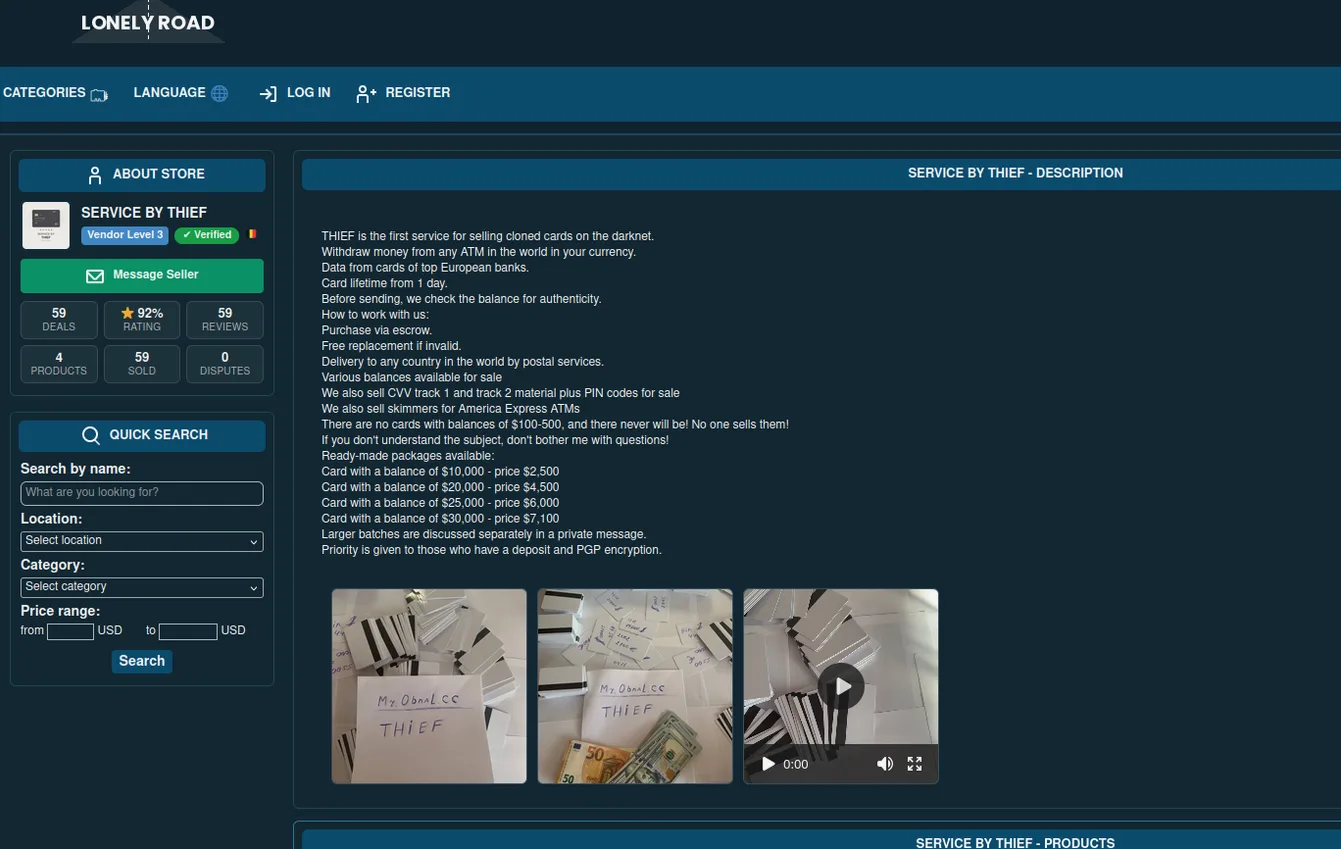
How a Quick ATM Scheme Exposed the Flaws in Criminal Planning
Learn how a dark web carding scheme was busted, tracing digital footprints to physical evidence. Understand ATM surveillance and why crypto…